Ramli Hamdani

Nasi campur, a beloved Indonesian and Malay dish, is more than just a meal—it’s a cultural expression that reflects the rich diversity of Southeast Asian cuisine. Known as "mixed rice" in Indonesian and Malay, this dish is a staple across Indonesia, Malaysia, Singapore, Brunei, and even parts of Thailand and the Netherlands. With its roots deeply embedded in the region’s culinary traditions, nasi campur offers a unique blend of flavors and textures that have captivated food lovers for generations.

At its core, nasi campur consists of steamed white rice accompanied by an assortment of side dishes, including meats, vegetables, peanuts, eggs, and fried-shrimp krupuk. This concept has parallels across Asia and the Pacific, such as khao kaeng in Thailand, cơm bình dân in Vietnam, and the plate lunch in Hawaii. However, in the Indonesian and Malay-speaking regions, the term "nasi campur" is the most widely recognized name for this style of meal.

Origins and Cultural Significance

Nasi Campur Balinese version with two types of sate lilit, egg and vegetables

The origins of nasi campur are as diverse as the regions it spans. While there is no single recipe or definition, the dish is commonly perceived as steamed rice surrounded by various dishes, served in personal portions. Unlike tumpeng, which is served in larger collective portions, or rijsttafel, which was presented in lavish colonial banquets, nasi campur is a more intimate and accessible meal.

In Indonesia, nasi campur refers to any kind of rice surrounded by various dishes, while in Malaysia and Brunei, it commonly refers to Malay mixed rice. The term can also encompass non-Malay versions like Nasi campur Cina (Chinese-style nasi campur), nasi campur Orang Ulu, and nasi campur Iban. In Japan, the United States, and most foreign countries, nasi campur often refers to the Balinese version, while in the Netherlands, it most often refers to Indo-colonial nasi rames.

Regional Variations and Local Flavors
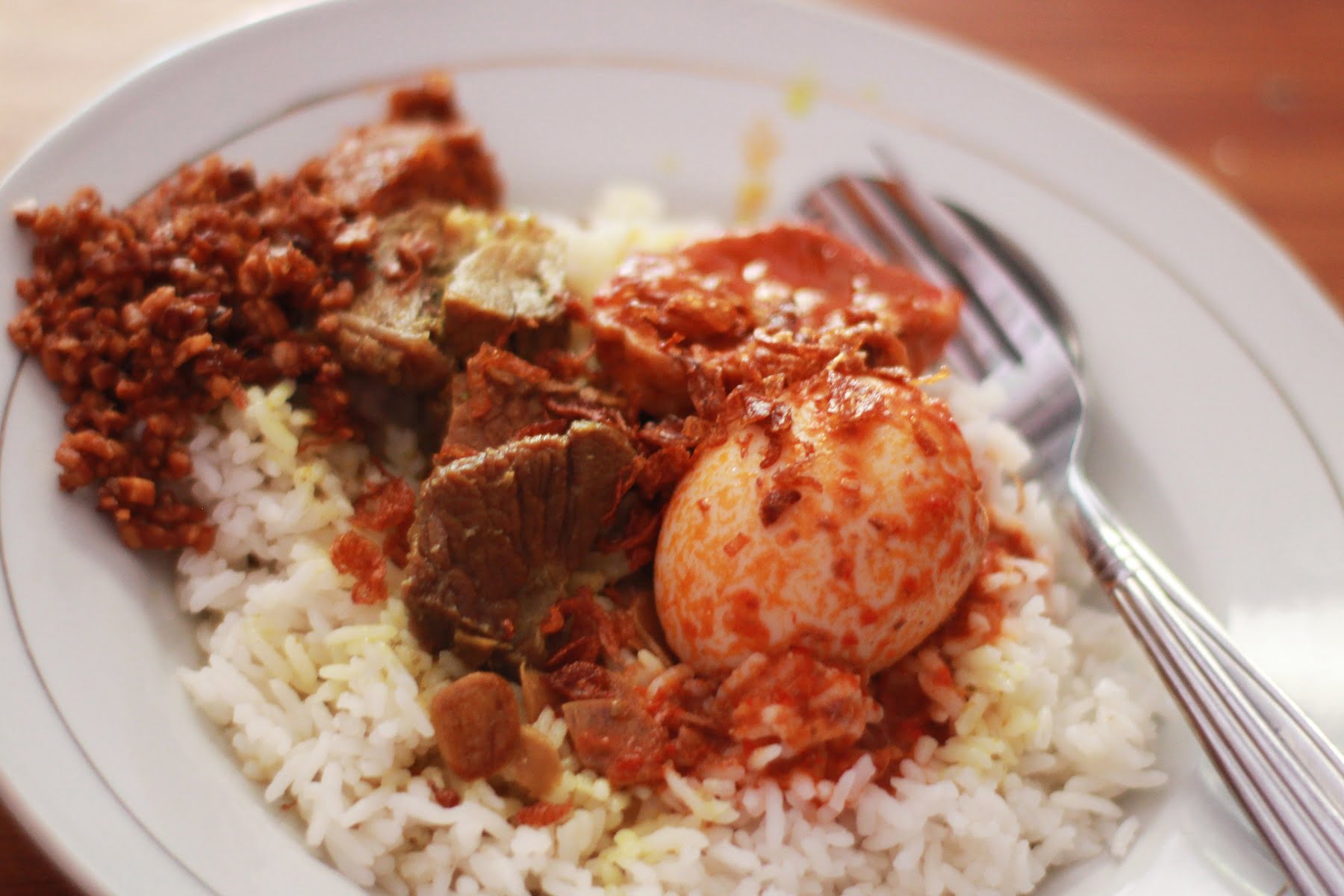
Nasi Campur with rawon from Surabaya

One of the most fascinating aspects of nasi campur is its regional variations. From Java to Bali, from the Malay Peninsula to Borneo, each area has developed its own unique take on this dish. For example, in Bali, the mixed rice, called nasi campur Bali or simply nasi Bali, is a favorite among tourists. This Balinese version is known for its use of basa genep, a typical Balinese spice mix used as the base for many curry and vegetable dishes. It may include grilled tuna, fried tofu, cucumber, spinach, tempeh, beef cubes, vegetable curry, corn, and chili sauce on the bed of rice.

In Java, nasi campur is often called nasi rames, and one dish that is usually found in a Javanese nasi campur is fried noodles. The combination known as nasi rames was created in West Java during World War II by the Indo (Eurasian) cook, Truus van der Capellen, who ran the Bandung soup kitchens during (and after) the Japanese occupation. Later, she opened a restaurant in the Netherlands and made the dish equally popular there.

Vegetarian style nasi campur, served in Duta Mas, West Jakarta

In the Minangkabau region of Indonesia, nasi Padang is a quintessential dish of Minangkabau food culture. It consists of steamed rice accompanied by a variety of pre-cooked dishes, including meats, fish, vegetables, and spicy sambals. Nasi Kapau, a related dish from Nagari Kapau in Bukittinggi, is often described as the Minangkabau version of mixed rice.

South Sulawesi Nasi campur served in Jeneponto

In Malaysia and Brunei, the Malay nasi campur is the most prevalent version. It typically features a base of steamed white rice accompanied by a diverse selection of side dishes, such as curries, grilled meats, vegetables, and sambals. The dishes found in a typical Malay nasi campur are known for their bold and aromatic flavors, achieved through the use of traditional spices and herbs.
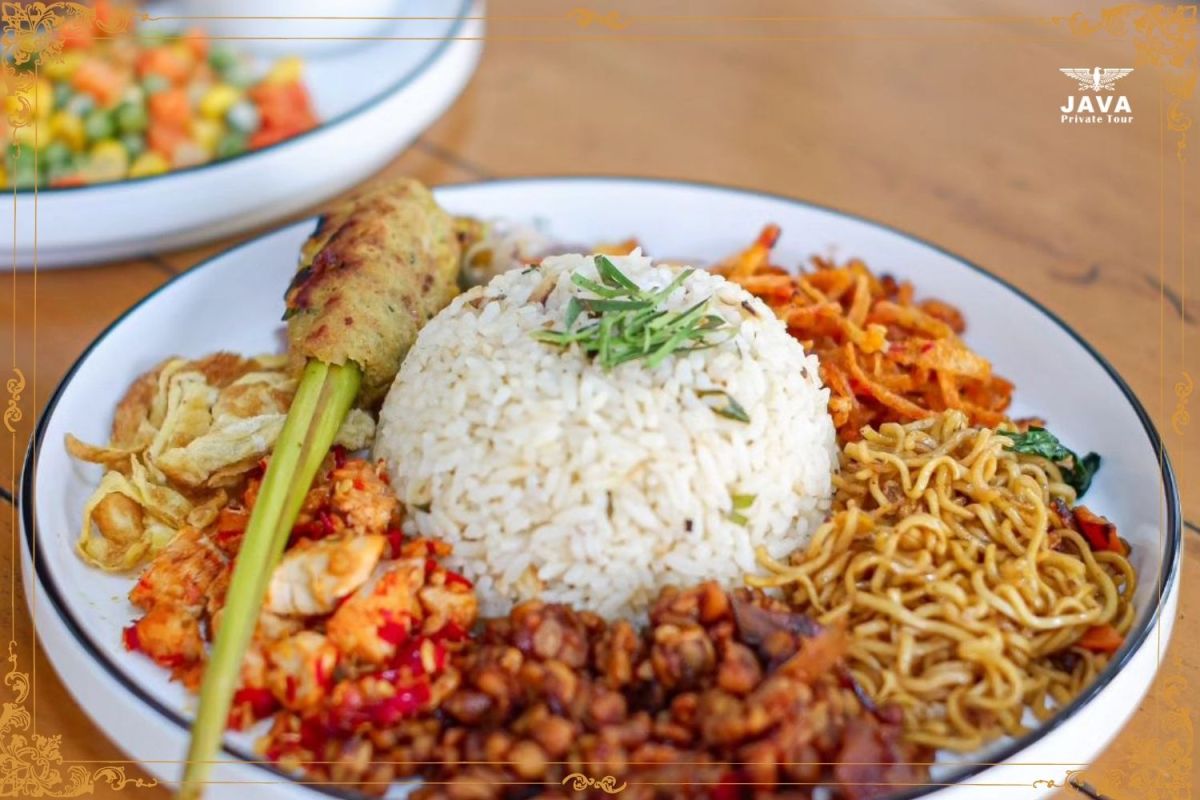
Javanese nasi campur with honey chicken and tempeh

The Role of Nasi Campur in Daily Life

Nasi campur is not just a meal; it is a way of life for many in Southeast Asia. It is a staple meal that is enjoyed by people of all backgrounds, from street vendors to high-end restaurants. In many communities, nasi campur is served in a casual, self-service manner, allowing diners to build their plates from a buffet-like display, creating a balanced meal in a single serving.

In the Chinese Indonesian community, nasi campur Tionghoa refers to a combo set menu of various Chinese barbecued meats, such as char siew, crispy roast pork, sweet pork sausage, and pork satay. This dish is usually served with simple Chinese chicken soup or sayur asin, an Indonesian clear broth of pork bones with fermented mustard greens.

Conclusion

Nasi campur is a testament to the rich culinary heritage of Southeast Asia. Its versatility, adaptability, and ability to reflect local culture make it a dish that transcends borders. Whether you're enjoying a simple bowl of nasi campur in a small warung or a lavish feast in a fine dining restaurant, the experience is always memorable. As we continue to explore the world's cuisines, nasi campur remains a shining example of how food can bring people together and celebrate the diversity of our global community.


Introduction

Kunyit Asam Traditional Remedy in Indonesian Kitchen

In the heart of Indonesia's rich culinary and medicinal heritage lies a traditional remedy that has been cherished for generations—kunyit asam. This unique blend of turmeric (kunyit) and tamarind (asam jawa) is not only a staple in Indonesian cuisine but also a powerful natural remedy known for its numerous health benefits. From enhancing digestion to supporting cardiovascular health, kunyit asam offers a holistic approach to wellness. As modern science continues to validate the properties of this ancient ingredient, its popularity is growing beyond traditional settings, making it a valuable addition to contemporary health practices.

What is Kunyit Asam?

Kunyit Asam Spice Mixture in Traditional Jar

Kunyit asam is a traditional Indonesian spice mixture made from two key ingredients: turmeric and tamarind. Turmeric, known for its vibrant yellow color and distinct bitter taste, is a root that has been used for centuries in both cooking and medicine. Tamarind, on the other hand, provides a tangy and refreshing flavor, making the combination a perfect balance of taste and therapeutic value.

This blend is commonly used as a seasoning in various dishes such as curries, soups, fish, and chicken. However, its significance extends beyond the kitchen. In traditional Indonesian medicine, kunyit asam is also consumed as a herbal drink, often referred to as "jamu," which is believed to offer a range of health benefits.

Nutritional Composition and Key Components

Kunyit Asam Antioxidant Properties in Scientific Study

The health benefits of kunyit asam can be attributed to the nutritional profile of its two main components. Turmeric contains curcumin, a potent antioxidant and anti-inflammatory compound. Tamarind, meanwhile, is rich in vitamin C, polyphenols, and other antioxidants. Together, they create a synergistic effect that enhances their individual properties.

Some of the essential nutrients found in kunyit asam include:

  • Vitamin C: Supports immune function and collagen production.
  • Curcumin: Acts as an antioxidant and anti-inflammatory agent.
  • Iron: Essential for healthy red blood cells and circulation.
  • Fiber: Aids in digestion and prevents constipation.
  • Antioxidants: Protects cells from oxidative stress and reduces the risk of chronic diseases.

These nutrients work together to promote overall well-being and support various bodily functions.

11 Health Benefits of Kunyit Asam

1. Source of Antioxidants

Kunyit asam is rich in antioxidants like curcumin and vitamin C. These compounds help neutralize free radicals, which are harmful molecules that can damage cells and contribute to aging and disease. By protecting cells from oxidative stress, kunyit asam supports long-term health and vitality.

2. Fights Infections

Kunyit Asam Cardiovascular Benefits in Clinical Research

The antibacterial and antiviral properties of kunyit asam make it effective in combating infections. Curcumin and other compounds in tamarind have been shown to inhibit the growth of harmful bacteria and viruses, helping the body defend against illness.

3. Boosts Immune System

With its high vitamin C content and immune-modulating properties, kunyit asam strengthens the immune system. Regular consumption can enhance the body’s ability to fight off infections and recover more quickly from illnesses.

4. Supports Heart Health

The combination of turmeric and tamarind helps maintain healthy cholesterol and triglyceride levels, reducing the risk of heart disease. It also aids in regulating blood pressure, contributing to overall cardiovascular wellness.

5. Aids Digestion

Kunyit Asam Joint Health in Elderly Population

Kunyit asam stimulates the production of digestive enzymes, improving nutrient absorption and promoting a healthy gut. It also helps relieve bloating and indigestion, making it a natural remedy for common digestive issues.

6. Reduces Cancer Risk

Curcumin, the active compound in turmeric, has been studied for its potential anti-cancer effects. It may inhibit the growth of cancer cells and prevent the formation of tumors. While more research is needed, these findings highlight the preventive potential of kunyit asam.

7. Improves Skin Health

The anti-inflammatory and antibacterial properties of kunyit asam make it beneficial for skin health. It can help reduce acne, brighten the complexion, and even out skin tone. Applying a mask made from kunyit asam can provide a natural glow and improve skin texture.

8. Regulates Blood Sugar Levels

Kunyit asam may help manage blood sugar levels by improving insulin sensitivity. This makes it a useful natural remedy for individuals with diabetes or those at risk of developing the condition.

9. Enhances Bone and Joint Health

The presence of curcuminoids and vitamin C in kunyit asam supports bone strength and joint flexibility. It may also help reduce inflammation associated with conditions like arthritis, offering relief from pain and stiffness.

10. Boosts Brain Function

Curcumin has neuroprotective properties that may enhance cognitive function and reduce the risk of neurodegenerative diseases like Alzheimer’s and Parkinson’s. It promotes brain health by reducing inflammation and supporting the growth of new neurons.

11. Promotes Women’s Health

Traditionally, kunyit asam has been used to support women’s reproductive health. Its antimicrobial properties help combat vaginal infections, while its anti-inflammatory effects may alleviate menstrual discomfort. It is often used as a natural remedy for maintaining vaginal health and reducing symptoms like itching and odor.

Conclusion

Kunyit asam is more than just a flavorful spice—it is a powerful natural remedy with a wide range of health benefits. From boosting immunity to supporting heart and brain health, this traditional blend offers a holistic approach to wellness. As scientific research continues to uncover its potential, kunyit asam remains a valuable asset in both traditional and modern health practices.

Introduction

Keripik Kentang Balado with sambal coating

In the world of snacks, few things are as universally loved as potato chips. But what if you could elevate this simple treat to a whole new level? Enter Keripik Kentang Balado, a delightful fusion of crispy, thin-sliced potato chips coated in a vibrant, sweet and spicy sambal sauce. This recipe, which has been making waves in Indonesian kitchens, offers both a traditional and a quick alternative for those who want to enjoy this flavorful snack without spending hours in the kitchen.

Whether you're a seasoned cook or a busy parent looking for a fun family activity, Keripik Kentang Balado is a must-try. The process of making it from scratch not only yields a delicious result but also brings people together, as seen in the experiences of many families who have tried it. In this article, we'll explore how to make this addictive snack, including tips for success and even a shortcut using store-bought chips.

How to Make Keripik Kentang Balado from Scratch

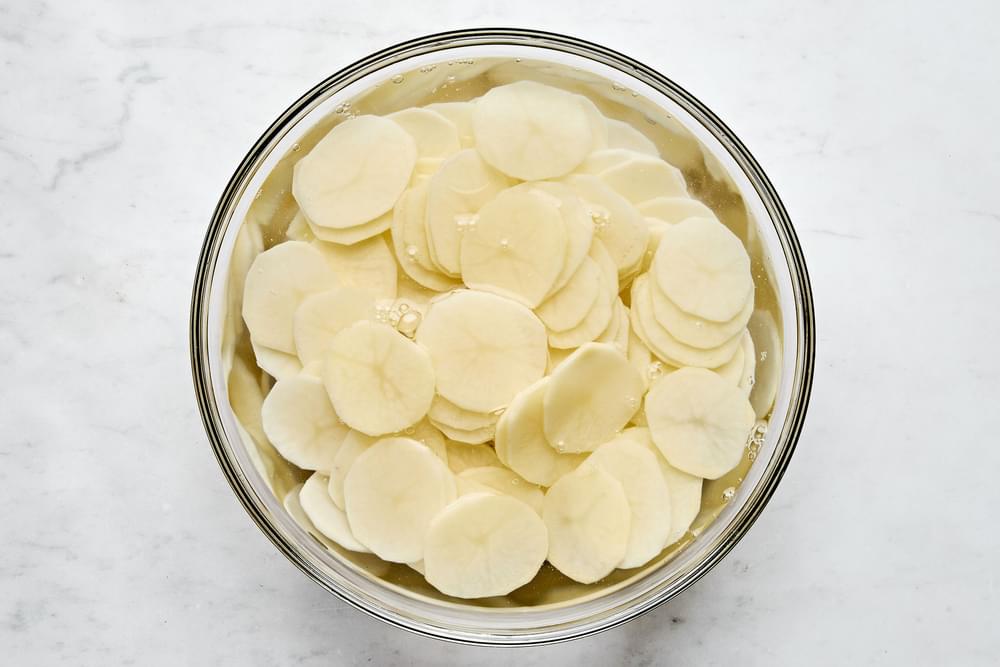
Thinly sliced potatoes soaked in water

The key to perfect Keripik Kentang Balado lies in the preparation of the potato slices and the sambal sauce. Here's a step-by-step guide:

1. Thinly Slice the Potatoes and Soak in Water

Start by peeling and slicing the potatoes into very thin slices using a mandoline slicer. If you don’t have one, a sharp knife will work, though it may take longer and result in uneven slices. Once sliced, soak the potatoes in cold water for at least two hours, or overnight if possible. This step helps remove excess starch, ensuring the chips turn out crispy rather than soggy.

After soaking, drain the water and pat the slices dry with a paper towel. This prevents oil from splattering when frying.

2. Fry the Potatoes

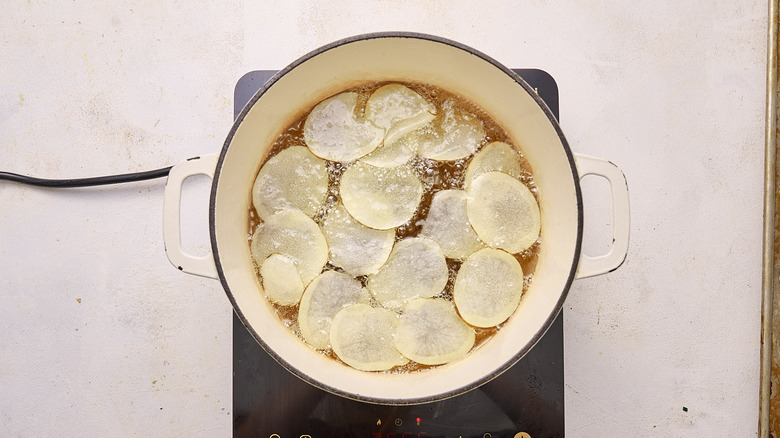
Frying potato slices in oil

Heat enough oil in a deep pan or wok until it reaches a high temperature. To test if the oil is ready, dip a chopstick into it—if it bubbles around the stick, the oil is hot enough. Lower the heat to medium before adding the potato slices in small batches.

Fry each batch until golden brown and crispy, then transfer them to a paper towel to drain. Repeat with the remaining slices. For an extra crunch, you can fry the chips a second time after they’ve cooled slightly.

3. Make the Sambal

Baked keripik chips in oven

In a separate pan, heat some oil and sauté finely chopped shallots for about a minute. Add kaffir lime leaves and fry for another 10 seconds. Then, add the rest of the sambal ingredients—such as sambal oelek, sugar, vinegar, and galangal powder—and cook until the mixture thickens into a syrupy consistency.

Once the sambal is ready, toss the fried potato chips into the pan, ensuring they’re evenly coated. Transfer everything to a serving bowl and let it cool completely before serving.

Tips for Success

To ensure your Keripik Kentang Balado turns out perfectly every time, follow these essential tips:

  • Use a Mandoline Slicer: This tool ensures uniform thickness, which is crucial for even cooking.
  • Bake for Extra Crispiness: After frying, place the chips on a baking sheet and bake at 325°F (160°C) for 5 minutes. This step helps preserve their crispiness.
  • Avoid Overloading the Pan: Frying in small batches prevents the oil from cooling down too much, which can lead to greasy chips.

Short-Cut Keripik Balado Using Store-Bought Chips

Store-bought potato chips in sambal

For those short on time, there’s a convenient shortcut: use store-bought potato chips. Simply prepare the sambal as described and toss the chips into the sauce. This method saves time while still delivering that signature sweet and spicy flavor.

When choosing store-bought chips, opt for original flavor varieties without added seasonings like sour cream or cheese. This allows the sambal to shine through without any conflicting flavors.

Final Thoughts

Keripik Kentang Balado is more than just a snack—it’s a cultural experience. Whether you choose to make it from scratch or take the shortcut, the end result is a crispy, flavorful treat that brings joy to any gathering. Plus, it’s a great way to introduce kids to spicy food in a fun and engaging manner.

So, grab your mandoline, gather your ingredients, and get ready to enjoy a snack that’s as delicious as it is satisfying. And remember, the best part of the recipe is the shared experience with family and friends. Happy cooking!

Semarang, a vibrant city in Central Java, is renowned for its rich history, cultural heritage, and mouth-watering cuisine. When visiting this bustling metropolis, it's almost impossible to leave without bringing back some of its iconic souvenirs. These local delicacies are not only delicious but also serve as perfect mementos of your trip. From savory snacks to sweet treats, here’s a comprehensive guide to the 15 must-buy souvenirs that represent the essence of Semarang.

1. Lumpia Semarang

Semarang Lumpia Street Food

Lumpia is one of the most famous street foods in Semarang, known for its crispy texture and savory fillings. Available in two varieties—wet and fried—lumpia typically contains bamboo shoots, eggs, chicken, or shrimp wrapped in a thin, flaky pastry. Its unique flavor and satisfying crunch make it a must-try when visiting the city.

2. Bandeng Presto

Roti Ganjel Rel Semarang

Bandeng Presto is a beloved dish in Semarang, made by cooking fish in a pressure cooker to soften the bones and enhance the flavor. This technique gives the fish a tender texture while preserving its natural taste. The dish is often served with a spicy sambal, making it a favorite among locals and tourists alike.

3. Wingko Babat

Wingko Babat is a traditional snack made from grated coconut, glutinous rice flour, and sugar. It has a chewy texture and a sweet, nutty flavor that makes it a popular choice for gifts. You can find it in many souvenir shops across Semarang.

4. Tahu Bakso

Tahu Bakso is a combination of deep-fried tofu and meatballs, creating a crispy and savory snack. Originating from Ungaran, it has become a staple in Semarang’s markets and is a favorite among visitors.

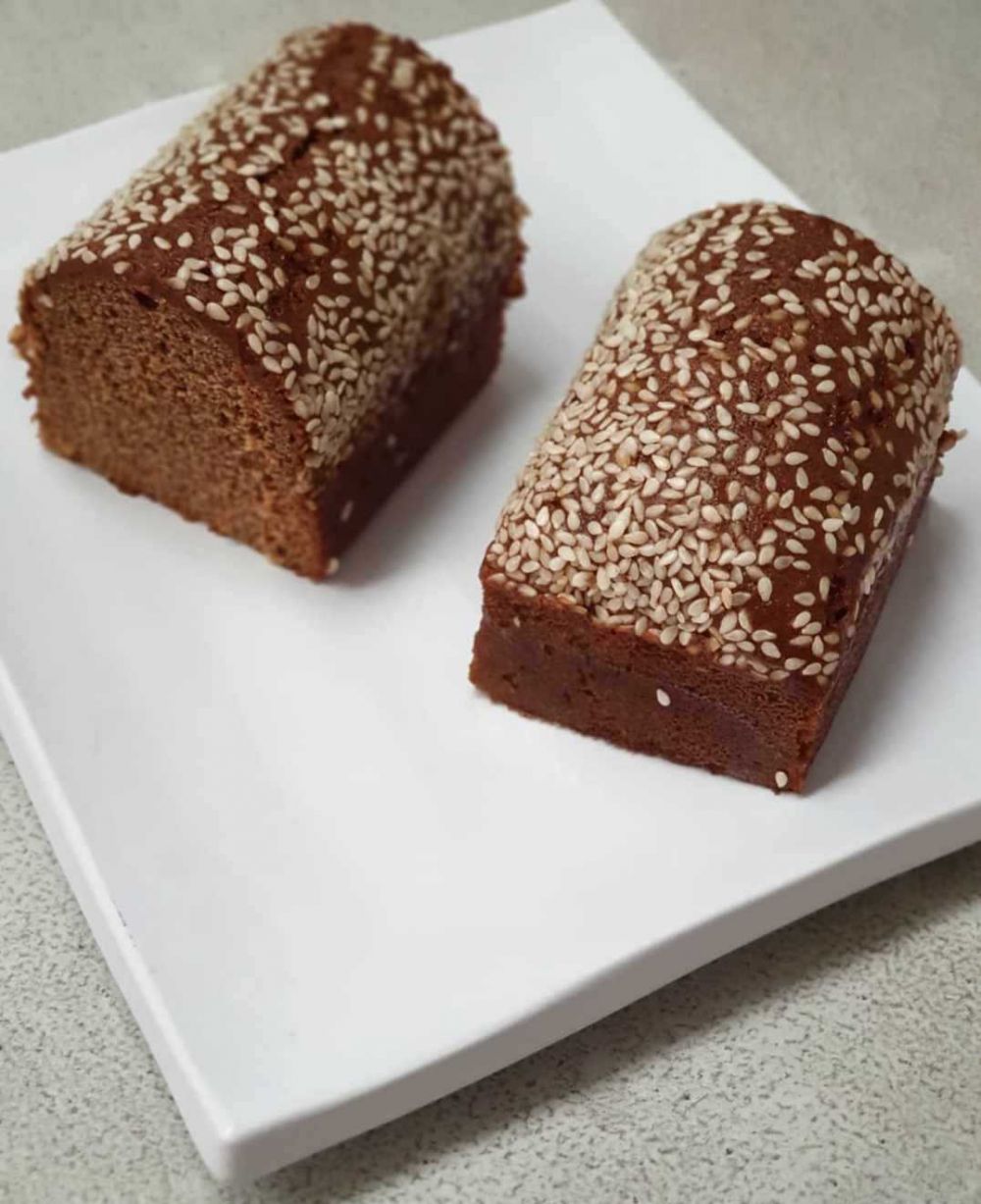
5. Roti Ganjel Rel

Roti Ganjel Rel is a traditional bread with a dense texture and a sweet aroma of cinnamon. Despite its hard exterior, it is highly favored for its unique taste and is often served at cultural events in Semarang.

6. Moaci Gemini

Kue Leker Semarang

Moaci Gemini is similar to Japanese mochi, made from glutinous rice flour and filled with sweet peanut paste. Its attractive packaging and delicious taste make it a popular souvenir.

7. Tahu Pong

Tahu Pong is a type of tofu with a hollow center, often enjoyed with a spicy petis sauce. It’s a simple yet flavorful snack that showcases Semarang’s culinary traditions.

8. Kue Sarang Madu

Kue Sarang Madu resembles a beehive and has a crisp outer layer with a soft, sweet interior. Its unique shape and delightful taste make it a favorite among locals and tourists.

9. Kue Leker

Kue Leker is a crispy, rolled snack similar to crepes, filled with chocolate, cheese, or banana. It’s a convenient and tasty option for those looking for a quick treat.

10. Roti Briliant

Ayam Tulang Lunak Semarang

Roti Briliant is a traditional bread with an authentic taste, made using traditional methods. Its distinct flavor and long history make it a special souvenir.

11. Keripik Tumpi

Keripik Tumpi is a crunchy snack similar to rempeyek, but with added green beans. Its savory taste makes it a great companion for meals.

12. Torakur

Torakur is a dried tomato snack that resembles dates. It offers a unique blend of sweetness and tanginess, making it a distinctive treat.

13. Ayam Tulang Lunak

Ayam Tulang Lunak is a tender chicken dish cooked in a pressure cooker, making the bones soft and easy to eat. It’s a flavorful alternative to Bandeng Presto.

14. Tahu Petis

Pusat Oleh-Oleh DJOE Semarang

Tahu Petis is a popular tofu dish that can be eaten fried or raw. Its strong, salty flavor pairs well with various side dishes.

15. Kue Lapis Legit

Kue Lapis Legit is a layered cake made from flour, sugar, and eggs. Its delicate texture and sweet taste make it a favorite among locals and visitors.

Where to Buy Bandeng Presto in Semarang

If you’re looking for the best Bandeng Presto, consider visiting these top-rated stores:

  • Toko Bandeng Juwana Elrina
    Located on Jalan Pandanaran No. 57, this shop is known for its delicious bandeng and unique packaging.

  • Pusat Oleh-Oleh DJOE
    Offers a variety of bandeng presto at different price points.

  • Bandeng Bonafide
    Known for its crispy bandeng and high-quality ingredients.

  • Toko Bandeng Presto
    One of the original shops that started the trend.

  • Kampoeng Semarang
    A large souvenir store offering a wide range of local products.

By exploring these options, you can ensure you bring home the best of Semarang’s culinary treasures. Whether you're a food lover or just looking for a memorable gift, these souvenirs will surely impress.

Perjalanan, baik ke dalam maupun luar negeri, sering kali penuh dengan ketidakpastian. Dari kehilangan barang bawaan hingga risiko kesehatan mendadak, berbagai hal bisa terjadi. Oleh karena itu, memiliki asuransi perjalanan menjadi langkah penting untuk melindungi diri dan memastikan pengalaman yang aman serta nyaman. Berikut adalah penjelasan mengenai jenis-jenis asuransi perjalanan serta manfaatnya.

Jenis-Jenis Asuransi Perjalanan

Individual Travel Insurance for personal travel protection

Asuransi perjalanan hadir dalam berbagai bentuk sesuai kebutuhan dan frekuensi perjalanan seseorang. Memahami jenis-jenis ini akan membantu Anda memilih produk yang paling sesuai.

  1. Individual Travel Insurance
    Jika Anda sering melakukan perjalanan sendiri atau ingin fokus pada perlindungan pribadi, Individual Travel Insurance adalah pilihan yang tepat. Asuransi ini hanya berlaku untuk satu orang dalam satu perjalanan, sehingga ideal bagi yang tidak sering bepergian atau ingin lebih fleksibel.

  2. Group Travel Insurance
    Untuk keluarga atau rombongan yang sering bepergian bersama, Group Travel Insurance menjadi solusi hemat. Asuransi ini umumnya digunakan untuk acara liburan atau perjalanan dinas, di mana biaya premi bisa dibagi rata antar anggota rombongan.

  3. Single Trip Insurance
    Jika Anda hanya melakukan satu kali perjalanan dalam setahun, Single Trip Insurance adalah pilihan yang cocok. Asuransi ini biasanya menawarkan perlindungan jangka pendek dan bisa disesuaikan dengan durasi perjalanan.

  4. Annual Trip Insurance
    Bagi yang sering bepergian, Annual Trip Insurance memberikan perlindungan selama satu tahun. Cocok untuk pekerja yang sering melakukan perjalanan bisnis atau pelajar yang rutin berkunjung ke luar negeri.

  5. Asuransi Perjalanan Berdasarkan Tujuan
    Tidak semua perjalanan memiliki tujuan yang sama. Ada yang untuk wisata, ada juga yang untuk bisnis atau kunjungan keluarga. Asuransi perjalanan bisa disesuaikan dengan tujuan tersebut, seperti Asuransi Perjalanan Wisata atau Asuransi Perjalanan Bisnis.


Group Travel Insurance for family or group trips

Annual Trip Insurance for frequent travelers
Travel Insurance based on purpose like business or tourism

Manfaat Utama dari Asuransi Perjalanan

Flexible payment options for travel insurance

Selain melindungi dari risiko kehilangan barang atau keterlambatan penerbangan, asuransi perjalanan juga memberikan sejumlah manfaat penting:

  • Perlindungan Medis: Membantu mengcover biaya pengobatan di luar negeri, termasuk rawat inap dan penggantian biaya medis secara tunai.
  • Bantuan Darurat: Menyediakan layanan evakuasi medis, pemulangan jenazah, dan hotline darurat 24 jam.
  • Manfaat Kecelakaan: Memberikan santunan jika terjadi kecelakaan selama perjalanan.
  • Kunjungan dan Perawatan: Menyediakan penggantian biaya perjalanan keluarga yang menyertai nasabah saat dirawat di luar negeri.
  • Ketidaknyamanan Perjalanan: Melindungi dari kerusakan atau kehilangan bagasi, uang, dokumen, serta pembatalan perjalanan.
  • Perlindungan Rumah: Mengganti kerugian akibat kebakaran rumah saat nasabah sedang berada di luar negeri.

Premi Terjangkau dan Fleksibel

Meski manfaatnya sangat luas, premi asuransi perjalanan relatif terjangkau. Harga premi dipengaruhi oleh beberapa faktor, seperti usia tertanggung, durasi perlindungan, tujuan negara, dan nilai manfaat yang dipilih. Contohnya, Allianz New Annual TravelPro menawarkan perlindungan hingga 250% dengan premi mulai dari Rp47.000 per minggu.


Tips Memilih Asuransi Perjalanan

Sebelum memilih, pertimbangkan beberapa hal berikut:

  • Frekuensi Perjalanan: Pilih jenis asuransi sesuai dengan seberapa sering Anda bepergian.
  • Tujuan Perjalanan: Pastikan asuransi sesuai dengan tujuan, apakah untuk wisata, bisnis, atau kunjungan keluarga.
  • Premi dan Manfaat: Bandingkan premi dan cakupan perlindungan dari berbagai penyedia.
  • Promo dan Diskon: Manfaatkan promo seperti kode MAGIValentine14 untuk mendapatkan potongan harga.

Kesimpulan

Asuransi perjalanan bukan hanya sekadar perlindungan finansial, tetapi juga alat untuk memastikan pengalaman perjalanan yang aman dan nyaman. Dengan berbagai jenis dan manfaat yang tersedia, pastikan Anda memilih asuransi yang sesuai dengan kebutuhan dan gaya hidup Anda. Dengan perlindungan yang tepat, perjalanan Anda bisa lebih tenang dan menyenangkan.

A well-crafted itinerary is the backbone of any successful trip, whether you're planning a short weekend getaway or an extended international adventure. It serves as a detailed roadmap that outlines your destinations, transportation, accommodations, and activities, ensuring that your journey is both efficient and enjoyable. In this article, we explore the importance of itineraries, how to create one effectively, and provide examples for different types of travel.

Why Itineraries Matter

Bali Itinerary Planning Travel Guide

An itinerary is more than just a list of places to visit; it's a strategic tool that helps you manage your time, budget, and expectations. With a clear plan in place, you can avoid last-minute decisions that often lead to wasted time and money. It also allows you to anticipate costs, such as transportation, lodging, and entrance fees, helping you stay within your budget.

Moreover, an itinerary provides a sense of security. Knowing where you're going and what to expect reduces the anxiety that often accompanies travel. It also makes coordination with fellow travelers easier, as everyone can be on the same page regarding schedules and plans.

Key Benefits of a Good Itinerary

Travel Itinerary Planning Tool App
  • Time Management: A well-structured itinerary ensures that you make the most of your time by allocating specific hours for each activity.
  • Budget Control: By outlining expected expenses, you can track your spending and avoid overspending.
  • Flexibility: While itineraries provide structure, they should also allow room for spontaneity. Life is unpredictable, and being able to adapt is essential.
  • Safety and Preparedness: An itinerary includes important details like emergency contacts, travel documents, and health information, making your trip safer.

How to Create an Effective Itinerary

Creating an effective itinerary requires careful planning and attention to detail. Here are some steps to help you get started:

  1. Define Your Travel Goals
  2. Determine the purpose of your trip. Are you looking for relaxation, adventure, cultural immersion, or business? Your goals will shape your itinerary.

  3. Research Your Destination

  4. Gather information about the places you plan to visit. Look into local customs, weather conditions, and transportation options.

  5. Set a Timeline

  6. Decide how long your trip will last and allocate time for each destination. Be realistic about travel times between locations.

  7. Plan Daily Activities

  8. Break down your days into manageable chunks. Group similar activities together to save time and energy.

  9. Include Essential Information

  10. Add details like contact numbers for emergencies, booking confirmations, and travel insurance information.

  11. Use Digital Tools

  12. Leverage apps and online tools to create and manage your itinerary. These can help with scheduling, budgeting, and even language translation.

  13. Review and Adjust

  14. Regularly review your itinerary and make adjustments as needed. Flexibility is key to a stress-free trip.

Example Itineraries for Different Travel Styles

Bali Itinerary Day-by-Day Plan

1. Bali Adventure Getaway (5 Days)

Destinations: Kuta, Seminyak, Ubud
Activities: Beach relaxation, temple visits, rafting, yoga classes
Transportation: Taxi, motorbike rentals
Accommodation: Hotels in Kuta for the first two nights, then a villa in Ubud
Estimated Budget: Rp 5,000,000–Rp 10,000,000

This itinerary balances beach life with cultural experiences, offering a mix of relaxation and adventure.

2. Business Trip to Jakarta (2 Days)

Yogyakarta Cultural Travel Itinerary

Destinations: Jakarta
Activities: Meetings, presentations, networking dinners
Transportation: Taxis, ride-hailing apps
Accommodation: Central Jakarta hotels
Estimated Budget: Rp 3,000,000–Rp 5,000,000

Designed for professionals, this itinerary focuses on efficiency and productivity while allowing time for exploration.

3. Cultural Tour of Yogyakarta (3 Days)

Destinations: Malioboro, Candi Borobudur, Candi Prambanan
Activities: Shopping, historical site visits, traditional performances
Transportation: Taxis, local buses
Accommodation: Hotels near Malioboro
Estimated Budget: Rp 2,000,000–Rp 4,000,000

This itinerary highlights Yogyakarta’s rich cultural heritage, from its bustling markets to its ancient temples.

Tips for a Stress-Free Journey

Travel Journal and Camera for Memories
  • Pack Smart: Bring essentials like sunscreen, comfortable shoes, and a reusable water bottle.
  • Stay Flexible: Be open to changes in your plan. Sometimes the best experiences come from unexpected detours.
  • Embrace Local Culture: Learn a few basic phrases in the local language and respect cultural norms.
  • Stay Connected: Ensure you have access to reliable internet and a local SIM card if needed.
  • Document Your Trip: Keep a journal or take photos to remember your journey.

Conclusion

A well-planned itinerary is essential for a successful and enjoyable trip. It not only helps you manage your time and budget but also enhances your overall travel experience. Whether you're exploring the beaches of Bali, the bustling streets of Bangkok, or the historical sites of Yogyakarta, a thoughtful itinerary ensures that you make the most of every moment. So, start planning today and embark on a journey that's both memorable and stress-free.

In today’s digital age, the role of a travel content creator extends far beyond simply exploring new destinations. It's a dynamic career path that offers a multitude of benefits, from financial independence to personal growth and community building. Whether you're an aspiring traveler or someone who loves sharing experiences, becoming a travel content creator can be a fulfilling and lucrative endeavor.

The Evolution of Travel Content Creation

Travel Content Creator Exploring New Destinations

Travel content creation has evolved significantly over the years. What was once a niche activity has now become a global phenomenon, with millions of people tuning in to watch vlogs, read blogs, and follow social media accounts dedicated to travel. This shift has opened up new opportunities for individuals passionate about exploring the world while also sharing their experiences with others.

As the demand for authentic and engaging content grows, so does the potential for travel content creators to monetize their passion. From sponsored posts to affiliate marketing, there are numerous ways to turn your love for travel into a sustainable income stream.

10 Benefits of Being a Travel Content Creator

Travel Content Creator on a Free Trip

1. Explore the World for Free

One of the most exciting benefits of being a travel content creator is the opportunity to explore the world without spending a fortune. Many brands and travel agencies offer free trips or accommodations in exchange for content creation, allowing you to experience new places without the usual financial burden.

2. Earn Income Through Your Passion

Travel Content Creator Learning New Skills

Turning your passion for travel into a source of income is another significant advantage. By creating content, you can earn money through various channels such as brand partnerships, affiliate marketing, and sponsored posts. This allows you to support yourself financially while doing what you love.

3. Build a Global Community

Creating content about travel enables you to connect with people from all over the world. You can build meaningful relationships with your followers, engage in conversations, and even form friendships with fellow travelers. This sense of community can be incredibly rewarding.

4. Increase Brand Awareness

As a travel content creator, you have the power to influence others. By consistently sharing your experiences and insights, you can establish yourself as an authority in the travel industry. This not only enhances your personal brand but also opens up opportunities for collaborations with other influencers and brands.

5. Develop Personal Skills

Traveling and creating content require a range of skills, from photography and videography to storytelling and marketing. As you continue to create content, you'll naturally develop these skills, which can be valuable in both your personal and professional life.

6. Inspire Others

Travel Content Creator Capturing Unique Moments

One of the most fulfilling aspects of being a travel content creator is the ability to inspire others. By sharing your journey and experiences, you can encourage people to step out of their comfort zones and explore the world. Your content can serve as a source of motivation for those looking to embark on their own adventures.

7. Gain Unique Experiences

Every travel experience is unique, and as a content creator, you'll have the chance to document these moments. From discovering hidden gems to experiencing local cultures, each trip offers new and unforgettable experiences that you can share with your audience.

8. Enhance Creativity

Travel Content Creator Collaborating with Brands

Creating content requires creativity, and as a travel content creator, you'll constantly be challenged to think outside the box. Whether it's coming up with new video ideas or finding innovative ways to present your experiences, your creativity will grow with each project.

9. Work from Anywhere

One of the greatest perks of being a travel content creator is the flexibility it offers. You can work from anywhere in the world, whether it's a beach in Bali or a mountain in the Andes. This freedom allows you to maintain a work-life balance that suits your lifestyle.

10. Discover Your Passion

Finally, being a travel content creator allows you to discover your true passion. Through your travels and content creation, you'll gain a deeper understanding of yourself and what truly inspires you. This self-discovery can lead to a more fulfilling and purpose-driven life.

Tips for Success as a Travel Content Creator

To succeed as a travel content creator, it's essential to focus on creating high-quality content that resonates with your audience. Here are some tips to help you get started:

  • Create Engaging Content: Focus on producing content that is informative, entertaining, and visually appealing.
  • Engage with Your Audience: Interact with your followers by responding to comments, hosting live sessions, and participating in discussions.
  • Utilize Social Media: Leverage platforms like Instagram, TikTok, YouTube, and Facebook to reach a wider audience.
  • Collaborate with Other Creators: Partner with other travel content creators to expand your reach and gain new perspectives.
  • Build Relationships with Brands: Reach out to brands and travel agencies to explore collaboration opportunities.

The Role of Social Media in Travel Content Creation

Social media plays a crucial role in the success of a travel content creator. Platforms like Instagram and TikTok allow you to share your experiences with a global audience, while YouTube provides a space for longer-form content. Additionally, tools like Sociosight.co can help you manage your social media presence more efficiently.

By leveraging the right tools and strategies, you can maximize your reach and engagement, ultimately growing your following and increasing your earning potential.

Conclusion

Being a travel content creator offers a wide range of benefits that extend far beyond just exploring the world. From financial independence to personal growth and community building, this career path can be incredibly rewarding. With the right mindset, skills, and tools, you can turn your passion for travel into a successful and fulfilling profession.

So, if you're ready to embark on a journey that combines adventure with creativity, start by creating content that reflects your unique perspective. The world is waiting for your story, and your voice can make a difference.

Tempoyak Ikan Patin, a traditional Malay dish from Malaysia and Indonesia, is a culinary experience that challenges the senses. Known for its pungent aroma and unique flavor profile, this dish has become a symbol of regional identity in Pahang, where it is deeply rooted in local culture. At the heart of this dish is tempoyak, a fermented durian paste that gives the meal its signature strong scent and complex taste. While not for the faint of heart, those who dare to try it often find themselves captivated by its boldness.

Tempoyak Ikan Patin dish with white rice and condiments

What Makes Tempoyak Ikan Patin Unique?

Fermented durian paste used in Tempoyak Ikan Patin recipe

The key ingredient, tempoyak, is made by fermenting durians, which are abundant in Southeast Asia. This fermentation process creates a rich, creamy paste that is both tangy and slightly sour. The result is a sauce that is bright yellow in color, with a slightly watery texture that complements the soft, gelatinous flesh of Ikan Patin, or freshwater catfish. The combination of these elements makes Tempoyak Ikan Patin a dish that is as much about the experience as it is about the taste.

The dish typically comes with white rice and a variety of condiments such as sambal belacan (shrimp paste chili sauce) and ulam (fresh herbs). These accompaniments help balance the strong flavors and provide a contrast that enhances the overall dining experience. For many locals, the dish is more than just a meal—it's a connection to their heritage and a celebration of their region’s natural resources.

A Step-by-Step Guide to Making Tempoyak Ikan Patin

Ingredients for Tempoyak Ikan Patin recipe

To recreate this dish at home, you’ll need a few essential ingredients:

  • 1 medium-sized Ikan Patin (Freshwater Silver Catfish)
  • 1 ⅓ spoon of Tempoyak (fermented durian)
  • 3 pieces of Asam Gelugor (tamarind)
  • 2 pieces of shredded turmeric leaves
  • 3 pieces of lemongrass, ground at the head
  • 800 mL of coconut milk
  • 300 mL of coconut cream
  • Salt and sugar
  • Key lime juice
  • 25 pieces Cili Padi (Bird’s Eye Chilli)
  • 3 pieces shallots
  • 2 cloves of garlic
  • 1 inch of turmeric

Instructions:

  1. Prepare the Fish: Wash the fish thoroughly and marinate it with salt and key lime juice for 20 minutes. This step helps to reduce any muddy smell and enhances the flavor.
  2. Make the Paste: In a blender, combine the cili padi, shallots, garlic, and turmeric. Grind until fine.
  3. Cook the Base: In a pot, add the blended mixture along with the lemongrass. Pour in the coconut milk and bring to a boil.
  4. Add the Fish and Vegetables: Once boiling, add the fish, asam gelugor, and turmeric leaves. Reduce the heat and let it simmer.
  5. Finish the Dish: Stir in the coconut cream and adjust the seasoning with salt and a touch of sugar. Continue simmering until the dish is fully cooked.
  6. Serve: Once done, turn off the heat and serve with warm white rice.

Cooking process of Tempoyak Ikan Patin on stove

Tips for Success

Finished plate of Tempoyak Ikan Patin served with rice

For those new to this dish, there are a few tips to ensure a successful outcome:

  • Fish Preparation: To eliminate the strong, muddy smell of the fish, rub it thoroughly with flour before cooking. This not only reduces the odor but also helps in achieving a better texture.
  • Adjust Heat Level: The amount of bird’s eye chilli can be adjusted based on personal preference. Those who prefer milder flavors can use fewer chilies.
  • Balancing Flavors: The dish relies heavily on the interplay between the strong aroma of the tempoyak and the mildness of the fish. Adjusting the salt and sugar can help achieve the perfect balance.

A Taste of Tradition

Tempoyak Ikan Patin is more than just a meal—it's a cultural artifact that tells the story of Pahang's rich culinary heritage. The dish reflects the resourcefulness of the local community, who have long relied on the abundance of durians and freshwater fish to create flavorful and nourishing meals. For visitors and locals alike, trying this dish is an opportunity to connect with the traditions and tastes of the region.

As the dish gains popularity beyond its native borders, it continues to attract food enthusiasts looking for something truly unique. Whether you're a seasoned foodie or a curious traveler, Tempoyak Ikan Patin offers a sensory journey that is as unforgettable as it is daring.

In the face of a surge in COVID-19 cases, maintaining good health and a strong immune system has become more crucial than ever. Traditional herbal remedies have long been used in various cultures to support immunity and overall well-being. These natural concoctions, often made from locally available ingredients, offer a holistic approach to health that is both effective and sustainable.

The human immune system functions as a protective barrier against pathogens, and a robust immune system is essential for preventing infections. While modern medicine provides valuable tools, traditional remedies have stood the test of time, offering benefits that are now being re-evaluated in light of current global health challenges.

The Role of Traditional Herbs in Immune Support

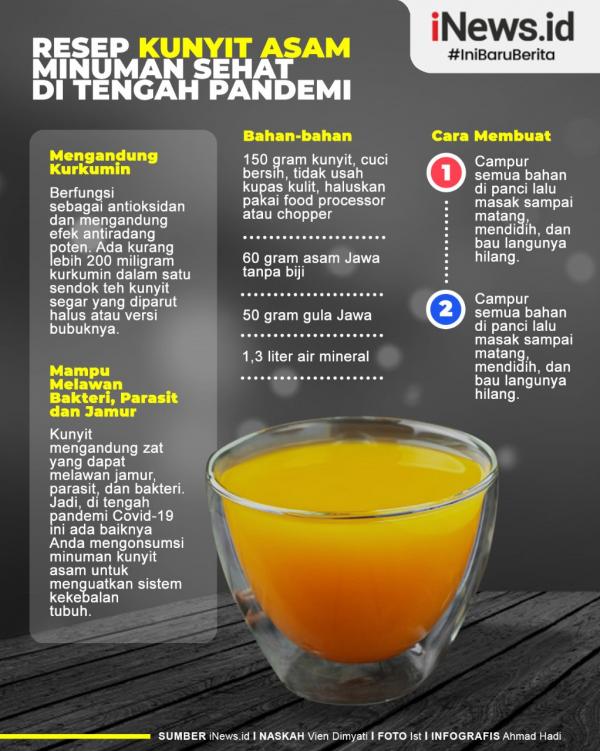
Traditional Indonesian Kunyit Asam drink with turmeric and tamarind

Traditional herbs play a significant role in enhancing the body’s defenses. They are often rich in antioxidants, anti-inflammatory compounds, and other bioactive substances that help the body combat diseases. In Indonesia, where traditional medicine is deeply rooted in cultural practices, several herbal remedies have gained recognition for their immune-boosting properties.

These remedies are not only accessible but also affordable, making them an attractive option for those seeking natural ways to strengthen their immune systems. From turmeric-based drinks to ginger-infused tonics, each herb has its unique set of benefits that contribute to overall wellness.

Top 5 Traditional Herbal Remedies for Immune Health

1. Kunyit Asam (Turmeric and Tamarind Drink)

Kunyit Asam is a popular traditional drink made from turmeric and tamarind. This remedy is known for its detoxifying properties, helping the body eliminate toxins through urine and sweat. It also contains high levels of vitamin C, which promotes skin health and strengthens the immune system.

To prepare this drink at home, you can use mature turmeric roots, peel them, grate or blend them with water, and then strain the mixture. Add jaggery (gula aren) and a bit of tamarind to enhance the flavor. Regular consumption of Kunyit Asam can help reduce inflammation, ease menstrual pain, and even aid in weight management due to its curcumin content.

2. Beras Kencur (Ginger Rice Drink)

Traditional Indonesian Beras Kencur drink with ginger and rice

Beras Kencur is another widely consumed herbal remedy in Indonesia. Made from rice and ginger, this drink has a slightly sweet and pungent taste that is enjoyed by many, including children. It is known for its ability to boost energy, relieve fatigue, and soothe coughs.

Beyond its culinary uses, Beras Kencur can be applied topically to treat bruises and swelling caused by sprains. Its warming properties make it a go-to remedy during cold seasons or after physical exertion. The ginger in this drink also helps stimulate digestion and improve circulation.

3. Temulawak (Curcuma Rhizome)

Fresh Temulawak root used in traditional Indonesian herbal remedies

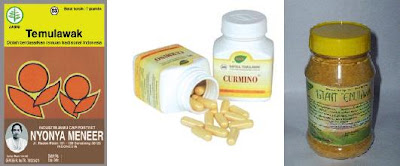
Temulawak, or Curcuma rhizome, is a key ingredient in many traditional health products. It is renowned for its ability to improve appetite, aid digestion, and alleviate menstrual cramps. Some studies suggest that it may also support metabolic health and have potential anticancer properties.

Regular intake of Temulawak can help maintain a strong immune system by ensuring proper nutrient absorption and reducing inflammation. However, it is important to consume it in moderation, as excessive use may lead to digestive discomfort.

4. Brotowali (Swertia chirata)

Brotowali plant used in traditional Indonesian herbal medicine

Despite its bitter taste, Brotowali is highly valued for its medicinal properties. This herb contains various phytochemicals such as alkaloids, flavonoids, and glycosides, which contribute to its health benefits. It is believed to help regulate blood sugar levels, prevent atherosclerosis, and lower blood pressure.

Brotowali is also used to treat skin conditions and promote liver health. However, it should be consumed cautiously, as overuse may affect liver and kidney function. Always consult a healthcare professional before incorporating it into your routine.

5. Jamu Bunga Telang (Blue Butterfly Pea Flower Drink)

Traditional Indonesian Bunga Telang tea with blue butterfly pea flowers

While not explicitly mentioned in the original text, Blue Butterfly Pea Flower (Bunga Telang) is another traditional herbal remedy gaining popularity for its immune-boosting effects. This flower is rich in antioxidants and is often used to make tea, which is believed to improve cognitive function and enhance immunity.
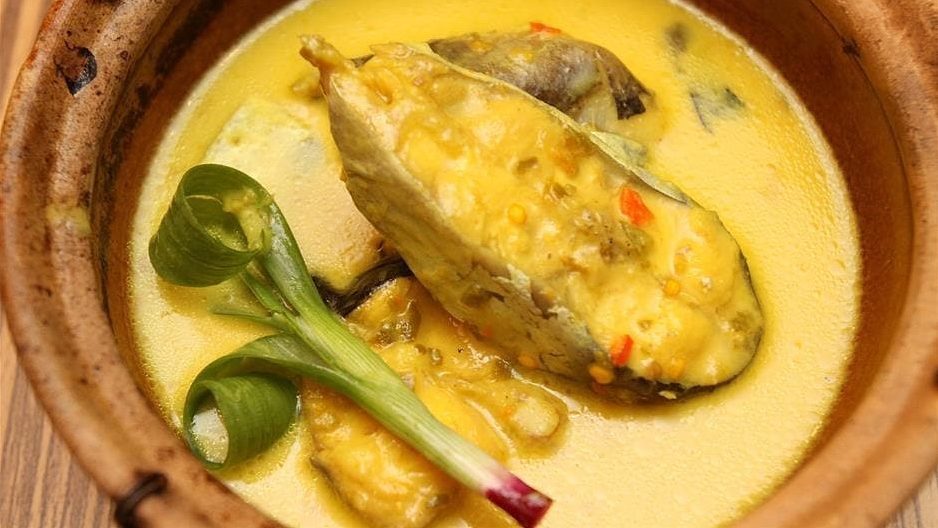
The vibrant blue color of the tea is not just visually appealing but also indicates its high antioxidant content. Drinking Bunga Telang tea regularly can support overall health and provide a natural energy boost.

Conclusion

As the world continues to navigate the challenges posed by the pandemic, the importance of a strong immune system cannot be overstated. Traditional herbal remedies offer a time-tested solution that complements modern medical approaches. By incorporating these natural treatments into our daily routines, we can take proactive steps toward better health.

Whether it's a simple cup of Kunyit Asam or a soothing glass of Beras Kencur, these remedies remind us of the power of nature in promoting wellness. With careful use and informed choices, traditional herbs can play a vital role in maintaining a healthy, resilient body.
Traveling by plane is a common experience for many, but for first-timers, it can be an overwhelming and confusing process. The thought of navigating through airports, dealing with security checks, and understanding the intricacies of air travel might seem daunting. However, with the right guidance, even the most inexperienced travelers can make their journey smooth and stress-free.

If you're someone who has never traveled by air before, this guide will walk you through the essential steps to help you prepare for your first flight. From booking tickets to checking in at the airport, we’ve got you covered.

Understanding the Basics of Booking a Flight

First-time flyer booking flight online

Before you even think about packing your bags, the first step is to book your ticket. While this may sound straightforward, there are several factors to consider when choosing a flight. Start by deciding on your destination and the dates of your trip. Once you have that information, you can use online travel agencies like Expedia, Kayak, or Skyscanner to search for available flights.

It’s important to compare prices across different airlines and platforms to find the best deal. Keep in mind that prices can vary significantly depending on the time of day, day of the week, and how far in advance you book. Also, check for any hidden fees such as baggage charges or seat selection costs.

When you find a suitable flight, you’ll need to provide personal information such as your name, passport details, and contact information. Make sure all the details are correct, as any mistake could lead to delays or complications during check-in.

Preparing Your Documents and Essentials

First-time traveler preparing documents for air travel

One of the most critical aspects of air travel is having the right documents. For domestic flights, a valid ID such as a driver's license or passport is usually sufficient. However, for international travel, a passport is mandatory, and it must be valid for at least six months beyond your return date.

In addition to your passport, you’ll need a boarding pass, which you can obtain either online or at the airport. Some airlines offer mobile boarding passes, which can save you time and reduce the risk of losing your physical ticket.

You should also pack essentials like a change of clothes, toiletries, and any necessary medications. Remember to keep these items easily accessible in your carry-on bag, as they may not be available during the flight.

Navigating the Airport and Check-In Process

First-time flyer checking in at airport counter

Once you arrive at the airport, the next step is to check in for your flight. This can be done either at a self-service kiosk or at the airline’s counter. If you’re using a self-service kiosk, follow the on-screen instructions to print your boarding pass and drop off your luggage.

If you’re checking in at the counter, a customer service agent will assist you. Be prepared to show your ID and confirm your flight details. It’s also a good idea to ask about any special assistance you may need, especially if you have mobility issues or are traveling with children.

After check-in, you’ll need to go through security screening. This involves removing your shoes, belts, and any metal objects, and placing them in a bin. You’ll also need to take out your laptop and liquids in containers smaller than 100ml. Follow the instructions carefully to avoid delays.

Making the Most of Your Flight Experience

First-time flyer exiting airplane after flight

Once you’re past security, you can head to your gate and wait for your flight to board. If you have a long layover, take advantage of the time to explore the airport. Many airports have restaurants, shops, and even lounges where you can relax.

During the flight, it’s important to stay hydrated and move around periodically to prevent stiffness. Use the in-flight entertainment system to pass the time, and don’t hesitate to ask the flight attendants for assistance if needed.

After landing, you’ll need to collect your luggage from the baggage claim area. Make sure to check the screen for your flight number and follow the signs to the correct carousel.

Final Tips for a Smooth Journey

First-time flyer smiling after successful flight

To ensure a hassle-free experience, always double-check your flight details the night before your trip. Set multiple alarms to wake up early and allow enough time to reach the airport. Also, consider downloading the airline’s app for real-time updates on your flight status.

Lastly, remember that it’s normal to feel nervous on your first flight. Take deep breaths, stay calm, and enjoy the experience. Flying is an exciting way to see the world, and with the right preparation, it can be a memorable adventure.